JR Tokyo Wide Pass (2): Autumn Off


(Day 1) Kofu, Yamanashi

Breathing fresh air and seing wild nature. Shosenkyo is located near Kofu city in Yamanashi prefecture. We reached there in about 1.5 hour train from Shinjuku and half an hour bus ride from Kofu station. The whole train journey is covered by Tokyo Wide Pass. (see original post on Aisar’s FB)

The second destination is grape orchards. I shared about our journey on my Instagram. Yamanashi is one of the best grape producers in Japan. We came to the farm very late so we had to make sure first before coming if they’re still available for customer visit. A famous farm, Asunaroen, gave us positive response. At 3:30 PM we went there by taxi from Yamanashi-shi station.

More stories from my Instagram Story can be seen here (clicked in the pic below). Continue reading

Started a New Living


Big smile after 2 months of struggle to find a decent place for Musa and his little bro. Wish us luck with the moving and start of a new living!

house kessai Japan

House kessai (決裁) on Oct 29. 2018

My reviews about the process of buying house in Japan:

(1) Is it worth buying a house in Tokyo, Japan and how does it compare with paying a rent?

Reason to buy a house in Japan

Screenshot of my

I landed myself, my wife and a 1-year old son in Tokyo in October 2016. We moved there as I signed up for a job as an engineer. My income was quite average for an automotive engineer in their 30s.

As a Gaijin (foreigner) family, it was a lot of struggle to find a decent place to rent to live. Beside Japan’s extremely fair and open market for rents (e.g. in Tokyo, some 99% of available rooms are listed on 3-4 major websites), few landlords would accept Gaijin and based on my personal observation, the figure for those “Gaijin friendly” Japanese landlord is somewhere close to 1 out of 10. However, we were glad that we found one and we have stayed there for 2 years.

After almost 2 years, when the housing contract in Japan usually needs to be renewed, we thought that we need a bigger space for us and a newly expected family member. This time, I faced again the same struggle as before to find a new place, and at one point I just could not hold myself any longer: Japan, I am buying your land.

I have known that Japan interest rate is extremely low, and at the time of this writing, one could expect a housing loan APR of 1 percent or less. With the expected loan term of 35 years, basically the monthly payment for a housing loan will be very similar, if not cheaper, than having to pay a monthly rent. And hey, I still get to attain the ownership of the house.

What if I need to sell the house? I was assured that Japan has a fair and efficient system to trade a house. Basically just leave it to an agent and pay them fee. I have heard the average time to sell an apartment is 2-3 months, while a landed house might take longer.

below is the simplified math how I could afford to buy a house in Tokyo.

– Monthly housing budget: 130,000 JPY (~1100 USD)

I use below website for calculation (disregard the currency). Assuming 35 year loan with 1.0% APR, turned out I could afford a housing loan up to around 45 mil. JPY (~400k USD)

How Much Loan Can I Afford?

As a background, I live in Ota ward in Tokyo, close to vibrant Kamata area and Tokyo Haneda airport. With that amount of money, I found that I could still afford a small 3-floor landed house in my area. I ended up buying a used 3 bed room apartment, which if only I had to rent it, it would cost me 150,000 JPY or more per month.

So, in short, yes it is still worth buying a house or apartment in Tokyo (well, certain areas in Tokyo are so da*n expensive though, that may not well worth it).

(2) How much does it cost to buy a house in Tokyo, Japan? How could foreigners afford it?

(3) How can foreigners secure a housing loan or mortgage in Japan?

(4) What is the process of buying a house and getting a housing loan in Japan? Continue reading

Hajimete no Undokai


Despite the wheezing and terrible cough since the night before day D, Musa fought his weakness to join his first undokai, which was happened to coincide with “Health and Sports Day” holiday in Japan. He almost gave up to go and kept saying “I’m feeling not good”, but his motivation came out as we arrived at the venue and he was able to join all the programs for nenshou group (年少組) until finished. What a beautiful moment to remember the whole life 💙

https://www.instagram.com/p/BorR7ErgpMK/

[The full story will be written in Bahasa Indonesia with picture captions in English]

Sekilas Tentang Undokai

Undokai adalah salah satu event yang paling ditunggu ortu anak sekolahan di Jepang, apalagi yang newbie macam kami 😂. Secara bahasa, undokai berasal dari kata undo (運動) yang artinya olahraga (exercise, sport) dan kai (会), yaitu sebuah pertemuan atau kumpul-kumpul (gathering). Kebayang, kan, maknanya? Acara ini semacam pesta olahraga di mana tiap sekolah mengadakan sendiri-sendiri untuk muridnya. Cuma sehari aja, tapi di situ jadi ajang anak-anak untuk unjuk kebolehan di depan keluarganya. Bukan hanya orang tua, para native biasanya rombongan nontonnya sama kakek, nenek, paman, bibi, atau saudara si anak. Di Ota-ku, area yang kami tinggali di Tokyo, untuk anak-anak berkebutuhan khusus, mereka disatukan dalam satu ajang undokai tersendiri yang diselenggarakan oleh pemerintah kota. Keren, ya, udah kaya Asian Games atau Olympic aja ada versi “Para”-nya juga.

Umumnya undokai diadakan sekitar Oktober sebelum, saat, atau setelah Hari Kesehatan dan Olah Raga yang jadi libur nasional. Namun, sebagian sekolah tingkat SD ke atas ada juga yang lebih dulu mengadakannya di bulan Mei. Menurut saya strategi ini bagus, sih.. jadi kehebohan persiapannya nggak terpusat di satu periode yang sama seperti di Indonesia ketika peringatan Hari Kemerdekaan. Belanja di toko banyak saingan, nyewa baju harus rebutan, semua sibuk beresin tugas masing-masing nggak bisa saling gantiin.. dan sebagainya. Hehe. Efek baiknya juga, TK-TK yang umumnya tidak punya lapangan jadi bisa pinjam gedung SD yang sedang kosong (tidak ada undokai di bulan Oktober). Gedung SD di Jepang memang standarnya harus punya lapangan yang cukup luas untuk kegiatan olah tubuh. Kalo TK palingan halaman buat playground aja punyanya.

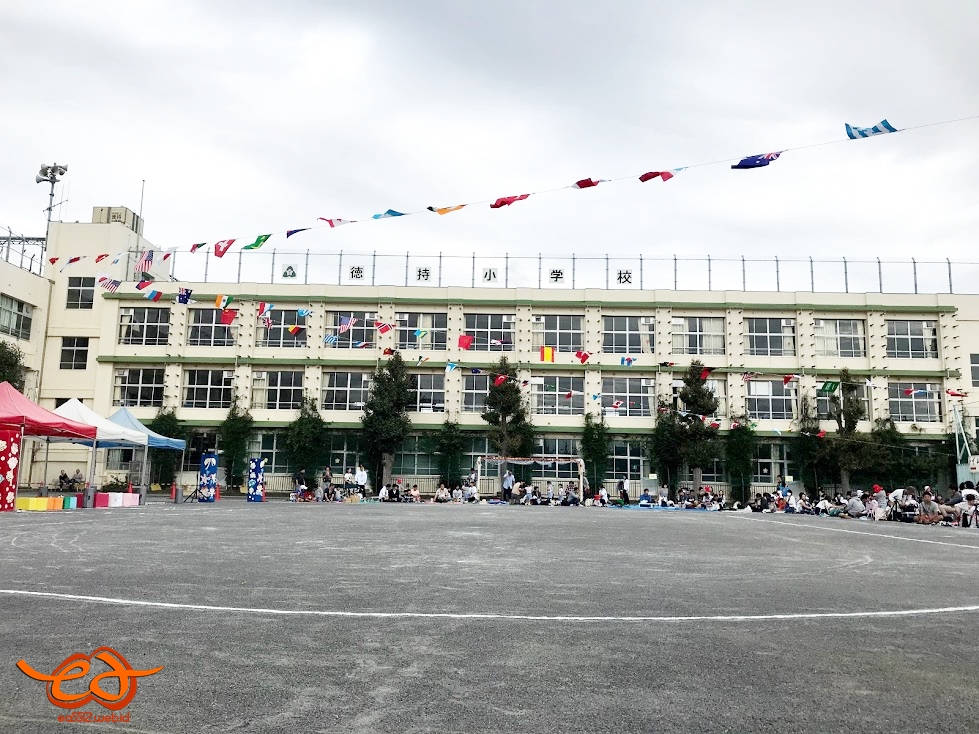
The elementary school yard which was used for undokai by Musa’s kindergarten

Continue reading

Road to Kindergarten


The next Monday (July 2) will be a big day for Musa. He’s going to begin the journey of being formal student in a Japanese kindergarten. As the newbie, he has to catch up his friends in the class who have already started their school three months ago. Musa couldn’t enter kinder at the same time like other kids once the new academy year nationally kicked off on April in Japan because he was still two years old. However, when a kid turned 3 years, it is possible to apply kinder after normal period as long as the school still has quotas and opens the recruitment. That’s what we did 🙂

Lebih lengkapnya tentang celoteh post Instagram yang saya share di atas akan dibahas di bawah. Ada beberapa hal yang perlu saya jelaskan tentang TK di Jepang.

Agak mengejutkan bagi saya bahwa di sini TK bisa dimulai dari usia tiga tahun. Cepet, ya? di Indonesia umur segitu masih playgroup, sedangkan di Amrik juga masih preschool. Lebih wow lagi kalo nyimak sebagian psikolog, salah satunya bu Elly Risman, menyarankan masuk sekolah baiknya dari umur lima, mengingat di usia 7 tahun lah otak mereka baru siap nerima pelajaran kognitif seperti membaca dan menulis.

Dulu, saya nggak kebayang masukin anak sekolah sedini itu, bahkan sempat terpikir jika kami berada di Indonesia mungkin saya akan pilih homeschooling melihat beban anak sekolah zaman now tidak seperti yang seharusnya. Namun, jujur aja, kalo kami dikasih kesempatan tinggal di negara maju selama masa pendidikan dasar anak, keinginan saya justru sebaliknya: sebisa mungkin anak bisa ikut sekolah. Beda soalnya pendekatan mereka sama negara kita. Di negara maju yg saya tahu seperti Jepang dan Amrik, anak balita nggak diajarin baca tulis, apalagi syarat “sudah bisa membaca” saat masuk SD, dan sekolahnya bisa dibilang isinya banyak main-main aja. Belajarnya sambil main. Mainnya seru-seru, serius, dan fasilitas memadai. Ala-ala Montessori gitu.. banyak program keluar sekolah dan bikin craft juga. Wah, senang lihatnya.. jadi boleh banget laaah masih kicik ikutan sekolah biar kereatif 😂

Balik lagi ke Jepang..

Continue reading